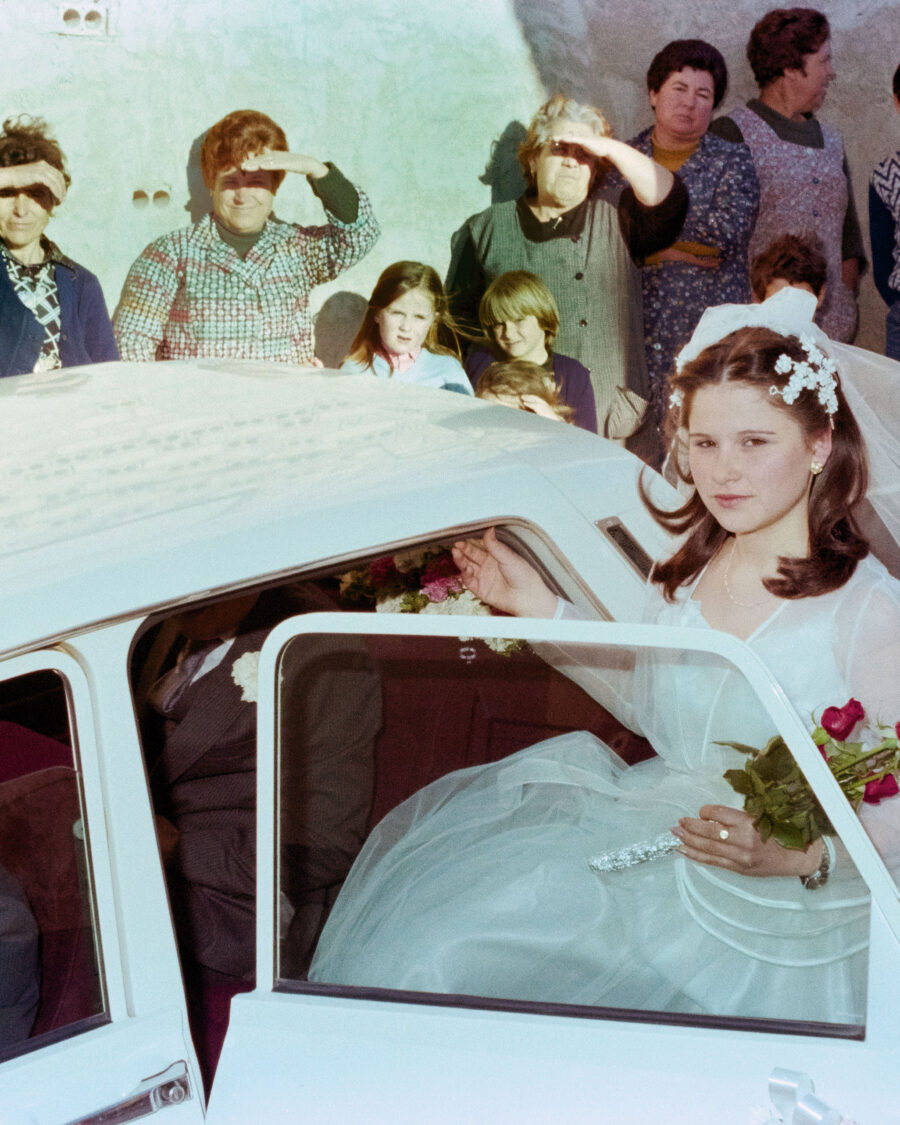
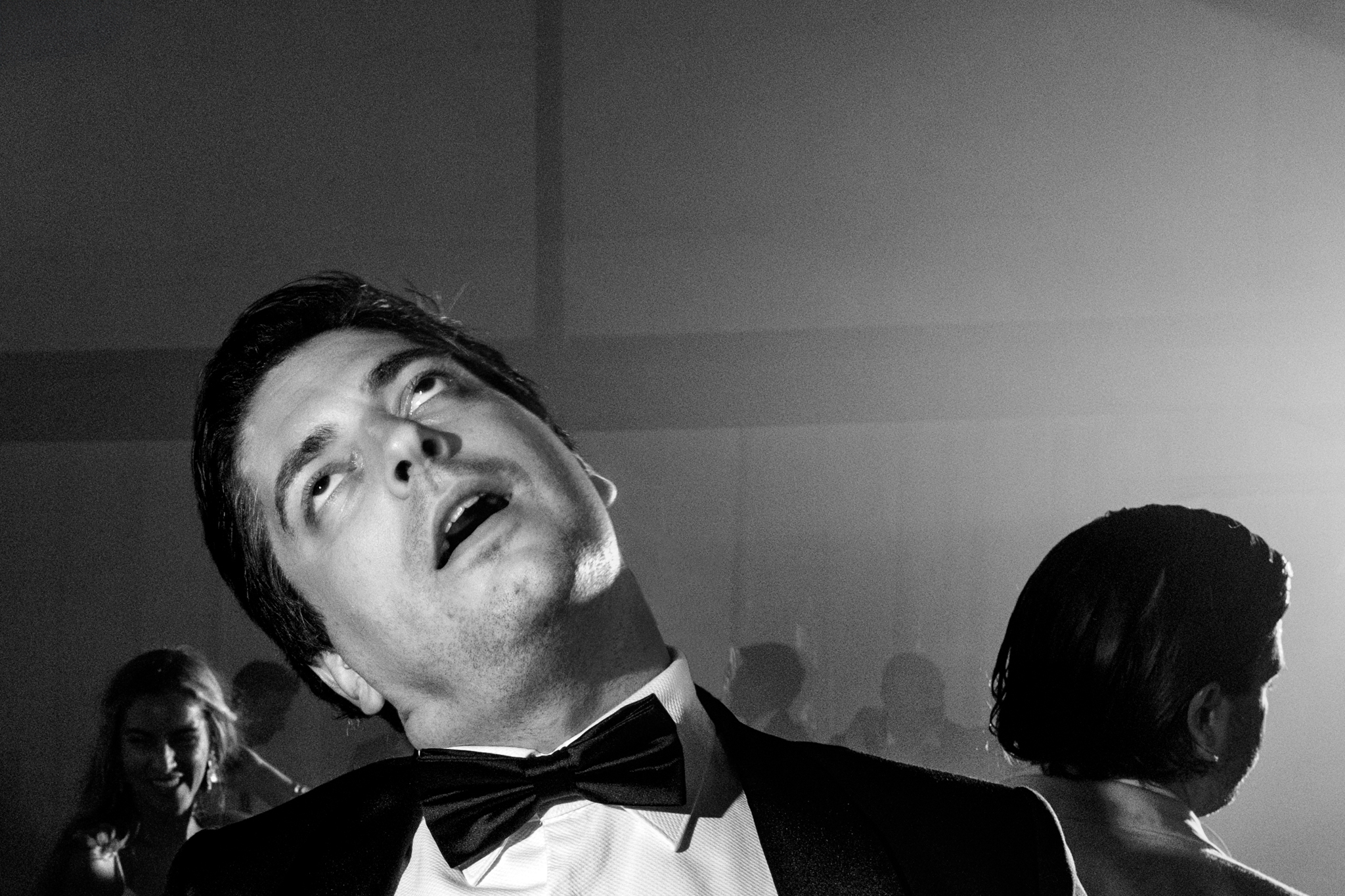
Today I’d say this: there’s a moment when something pulls at my sleeve. I don’t think, I shoot. It’s over before I’ve understood what I was looking at. That moment is the only legal drug I know.
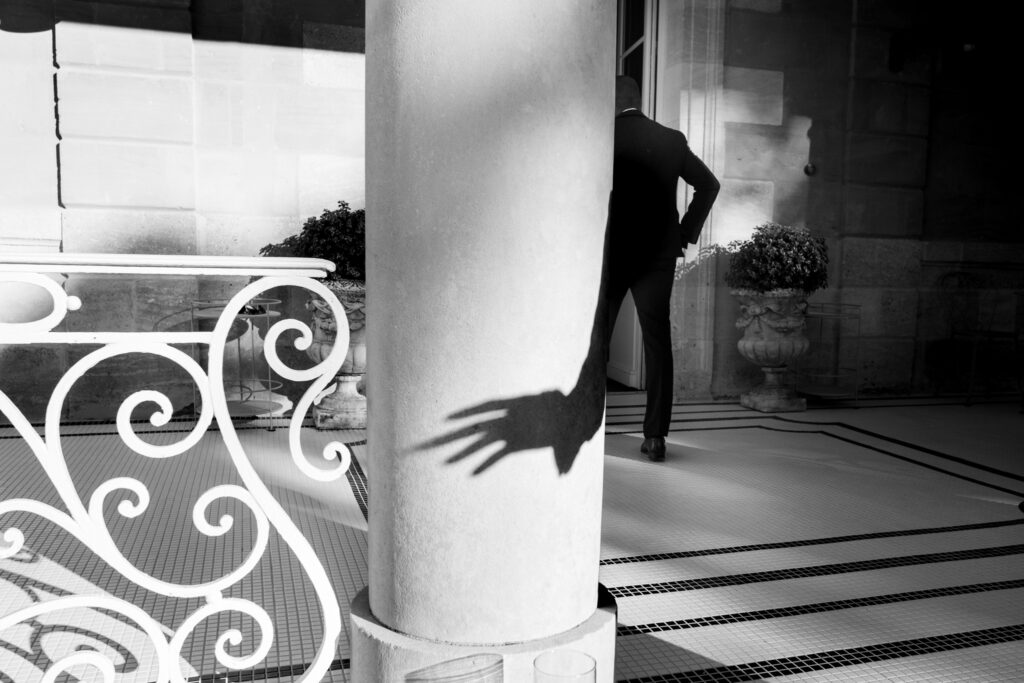
Then there’s chaos. The world is a mess, going everywhere at once. Photography doesn’t tidy it up, it freezes it. For a moment the mess stands still and almost makes sense. Then it starts again.
Edoardo morina
If you want to understand how a family works, forget the anthropology books. Go to a wedding and watch how they approach the dance floor.
Why weddings?
Weddings? That’s where the mess peaks. A whole society packed into one day, dressed like it never dresses, trying to behave and failing. If you want to understand how a family works, forget the anthropology books. Go to a wedding and watch how they approach the dance floor.
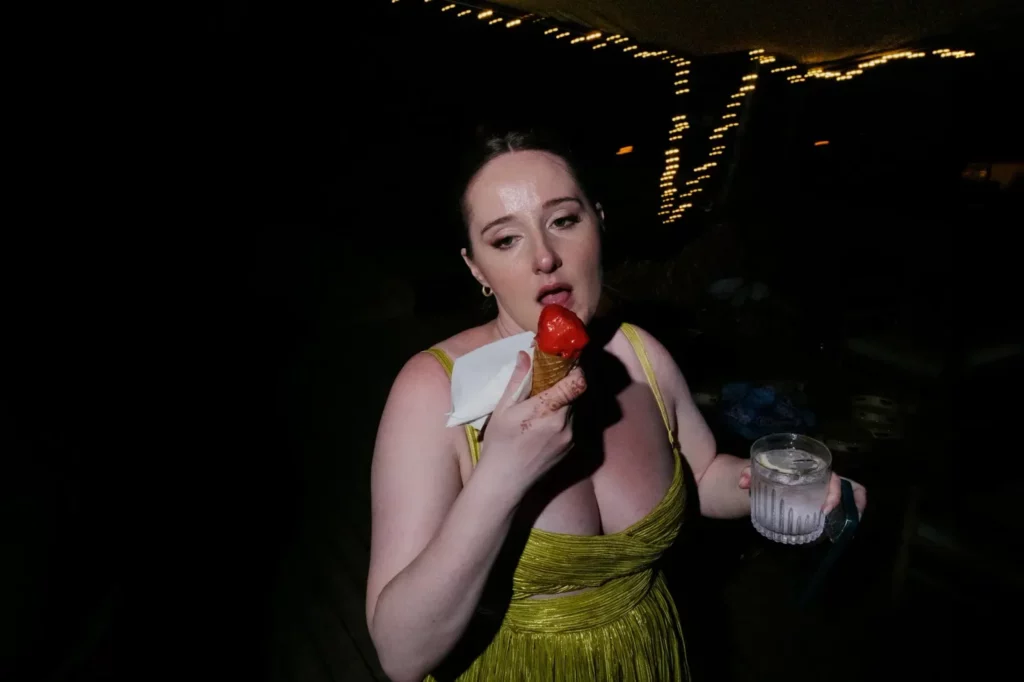
And then there’s a personal reason. I come from a family that, at some point, put a lot more effort into falling apart than into holding together. At weddings I watch people doing exactly the opposite. I stand very close, camera in hand, and I try to figure out the trick. Honestly, no luck so far.
Henri Cartier-Bresson spoke of the “decisive moment.” At an event as chaotic and as predictable as a wedding, how do you train your eye to anticipate that unrepeatable split second?
Do you really think a wedding is predictable? Sure, the timeline is more or less the same sh*t every time. But the same sh*t doesn’t mean the same shot. The church, the rings, the speeches, the cake, the dance floor: same map, wedding after wedding. But the people aren’t the same. And the people make the wedding, not the schedule.
Edoardo morina
Sure, the timeline is more or less the same sh*t every time. But the same sh*t doesn’t mean the same shot.
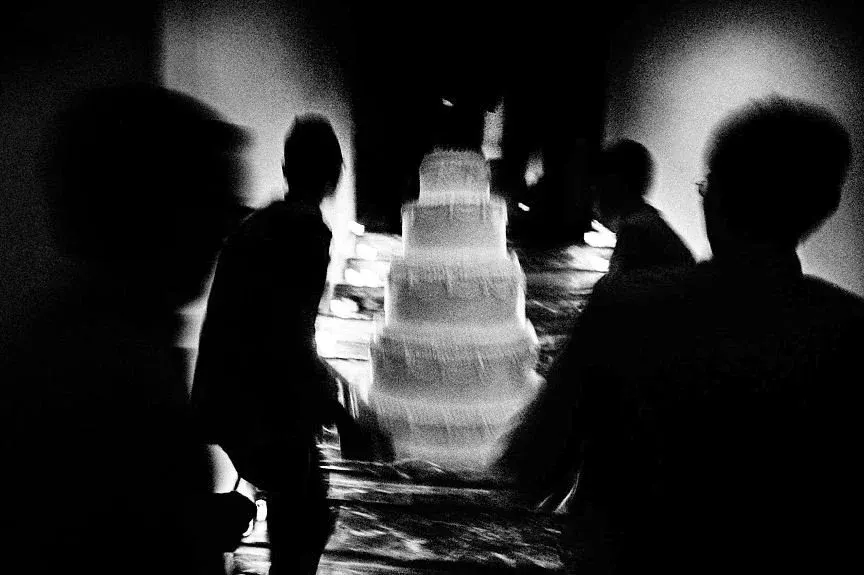
When we talk about Cartier-Bresson we always talk about the “decisive moment”, but what really struck me is that he was also incredibly patient. Think of the cyclist in Hyères: he found a staircase, a curve, a perfect stage, and he waited there until someone rode through it. The moment was decisive, but he had chosen the spot long before.
It’s called prefiguration. And that’s what I try to do at a wedding. Two things at the same time. Let myself be surprised, because if I already know what I’m going to shoot, I’m just illustrating a plan. And at the same time, imagine something before it happens.
The repetition helps, but only up to a point. I know more or less where most things are going to happen. That’s the easy part. The extraordinary is somewhere else, and nobody can plan it. You can only hope it shows up, and be ready when it does.
Many wedding photographers intervene by “creating” light or altering the space to make the photo perfect. What is your policy toward imperfect elements, such as bad light or a messy background? Do you embrace them or fight them?
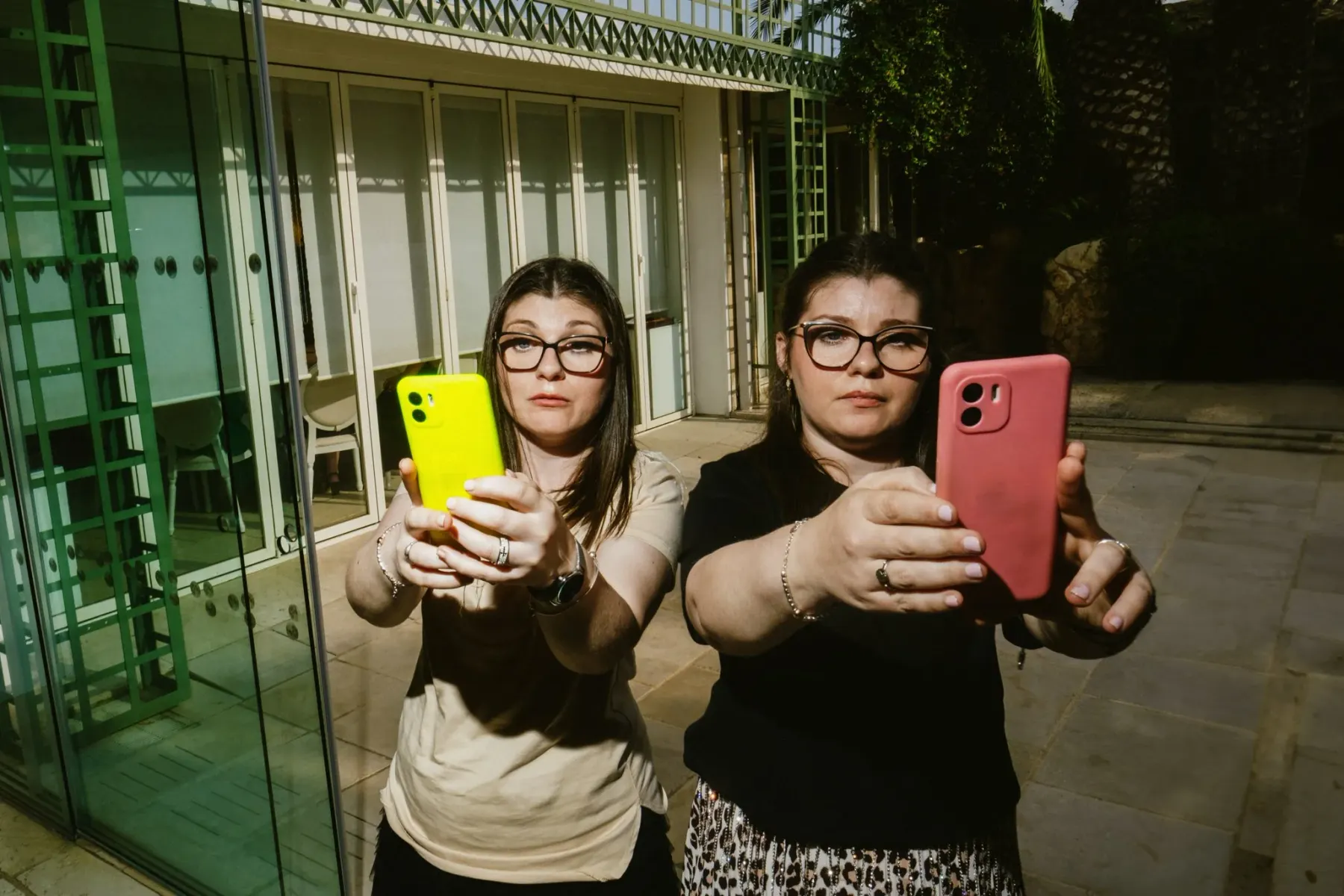
There’s no such thing as bad light. There’s light, and there’s the lack of it. And both give you plenty to play with.
I always start from the shadows. Shadows are my blackboard. Then I place things on it, using the light I find, or the light I make. Because I almost always work with a flash in my hand. Almost always.
I was born in Sicily. Ferdinando Scianna says that in Sicily light is a destiny. And it’s true. I grew up with hard light and sharp shadows everywhere, so that’s what I look for. And when I don’t find it, I make it, with the flash.
As for the stuff that gets in the way, I tend not to move anything. In the end, everything in that room talks about the people who live in it, or who chose it, or who made it what it is. Cleaning it up would mean cleaning them up too.
And honestly, what’s more fun than trying to build visual order out of a mess?
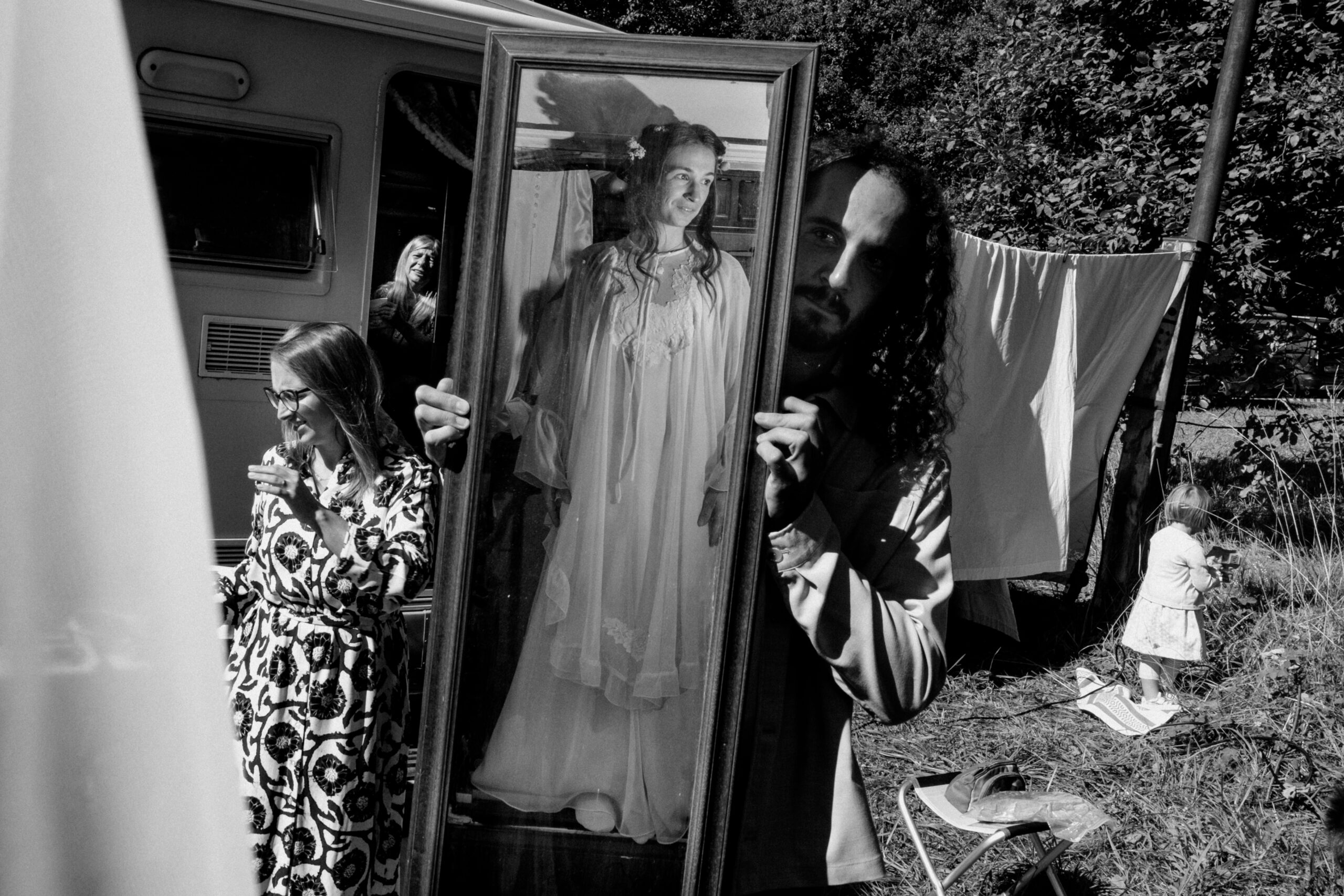
Performative truth: “Even when the approach is documentary, people know, consciously or subconsciously, that they are being photographed on the most important day of their lives, so there is a certain ‘performance’ of happiness. How do you tell the flash of genuine emotion apart from the staging the subject makes of themselves? Are you looking for the truth of the person or the truth of the myth they are living that day?”
I don’t think we create any truth. We try to tell what people show us, but what comes out is always filtered through us. So it’s someone else’s truth, passed through mine, and it turns into something else. Something new.
Edoardo morina
The performance isn’t the enemy. It’s part of the story. And the truth I’m after is probably right there, in the gap between who they are and who they’re trying to be.
Think of how two photographers looked at a family. Tina Barney photographed wealthy families in New England. One of her books is called Theater of Manners, and that says it all: people performing who they are, in their own living rooms. Richard Billingham photographed his parents, Ray and Liz, in a council flat in England. Nobody was performing anything there. Two families, two truths, completely shaped by the place and the life around them. Neither one is more real than the other.
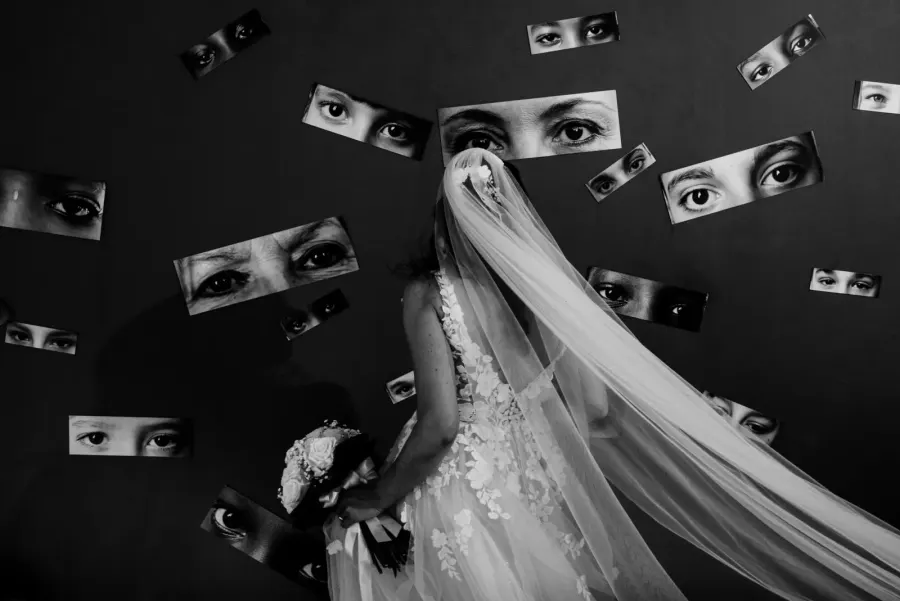
That’s how I look at a wedding. Not as a single day, but as one piece of a bigger work. A long term project on the society I’m living in. So if on that day people need to look like a different version of themselves, that’s fine with me. That version tells me a lot about them. What they want to be, what they’re afraid of showing, what their world expects from them.
The performance isn’t the enemy. It’s part of the story. And the truth I’m after is probably right there, in the gap between who they are and who they’re trying to be.
Born in Catania, 1981 Edoardo Morina has co-founded Ulilearn